





















Blog > Cx excellence
How these 6 brands handle BFCM support surges
BFCM week isn't really one day of shopping anymore. It's instead a few weeks where both brands and their CX teams adapt to a weeks-long surge in consumer spending. Shopify merchants alone moved $14.6 billion over BFCM weekend 2025, up 27% year over year, with more than 81 million people buying from Shopify-powered brands worldwide.
Every one of those orders is a potential support ticket waiting to happen: a sizing question, a "where is my order," a promo code that didn't work, or a delivery delayed because the courier hit its own peak season at the same time.
The brands that come out of BFCM looking calm aren't the ones who hired the most people. They're the ones who built systems, before the surge, that stop most questions from reaching a human in the first place.
Here's what six of them are doing differently, and the practical lessons any growing brand can borrow.
Why Black Friday and Cyber Monday breaks even good support teams
The math is brutal. You can't fully hire and train a wave of new agents for a spike that starts Thanksgiving night and starts tapering the following week, but under-staffing means a backlog that doesn't clear until deep into December, right as the returns wave begins.
Timing makes it worse. What used to be a single weekend now stretches both directions: deal-hunting starts creeping into early November, and analysts increasingly describe the period as "Black November" rather than a single event, with spending building for two weeks before the actual weekend even arrives.
Returns and delivery questions then stretch well into January. "Black Friday support" is really a six-to-eight-week operational problem wearing the mask of a four-day one.
And volume is only half of it. The other half is that shoppers now expect the same speed and tone across email, chat, social and phone, all at once, right when your team has the least slack to give it.
6 brands that handle the BFCM surge well
Amazon: stretching one day into three weeks
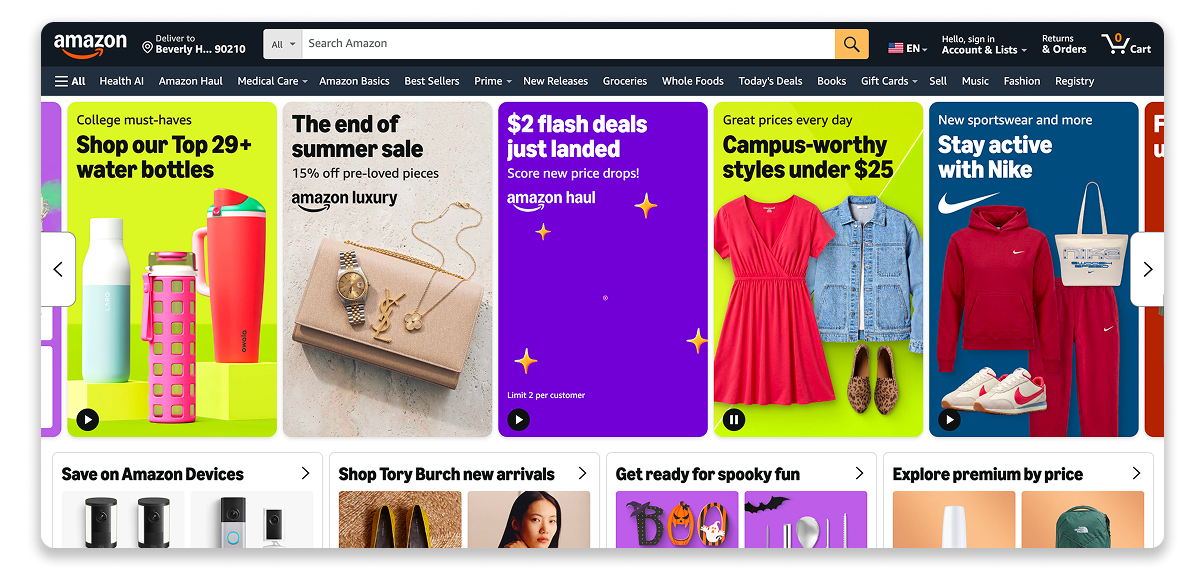
Amazon doesn't try to survive a single day of Black Friday, it re-engineers the calendar around it. Its 2025 event ran as a Black Friday Week from November 20 through Cyber Monday, spreading demand, and the support load that comes with it, across nearly two weeks instead of a 24-hour spike. On the self-service side, its Rufus shopping assistant and Lens visual search field a large share of the pre-purchase questions that would otherwise land in a chat queue, and this year's holiday returns window was extended all the way to January 31, 2026, easing the returns-ticket wave that usually crashes into the first weeks of the new year.
Takeaway: flattening the calendar and answering questions before checkout can matter more than adding headcount on the day itself.
Chewy: proving speed and warmth aren't a trade-off
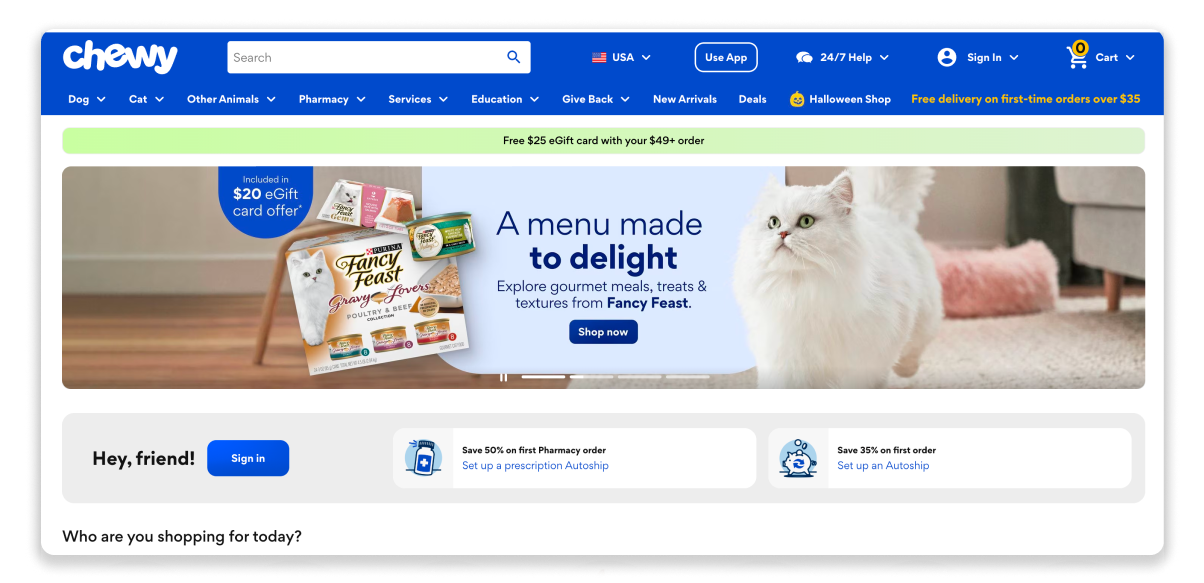
Chewy doesn't automate its way through the holiday rush. Its entire model, human agents answering in under six seconds, 24/7, every day of the year, with no chatbot involved, is built to hold up at any volume. Reps are empowered to approve a refund or replacement without waiting on a manager, which is exactly the kind of decision that otherwise clogs a queue once volume triples. Autoship subscriptions also keep a large share of its highest-frequency orders predictable year round, so the brand isn't fielding repeat order-status questions the way a purely one-off retailer would.
Takeaway: scaling doesn't have to mean fewer humans, it can mean giving the humans you have more authority to solve things on the first contact.
Klaviyo: letting self-service catch the surge first
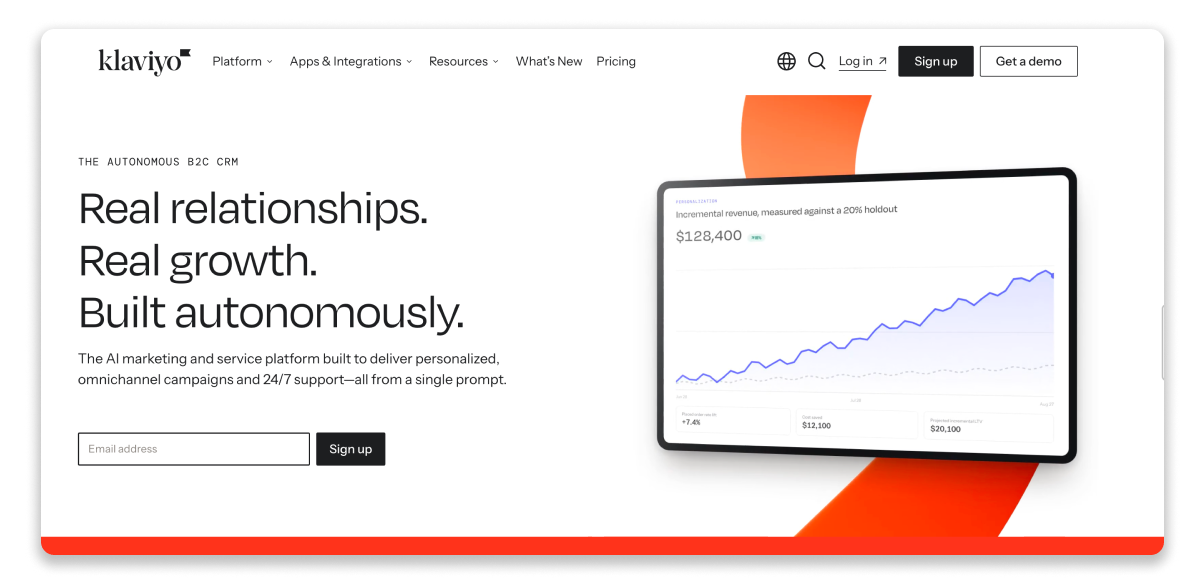
Klaviyo spent 2025 building Klaviyo Service for moments exactly like this one, and the results from its first BFCM season show why deflection matters so much once volume spikes. Its Customer Hub, where shoppers check order status and shipping updates without opening a ticket, was opened more than a million times during BFCM week. Its AI-powered Customer Agent handled twice the conversation volume on Black Friday alone that it normally sees in a full week, kept responding instantly even during the single busiest hour of the weekend, and resolved 60% of product-recommendation questions without a human ever touching them.
Takeaway: the tools that catch a shopper's question before it becomes a ticket are worth more during Black Friday week than almost any extra seat on the phones.
American Express: engineering an extra day into the weekend
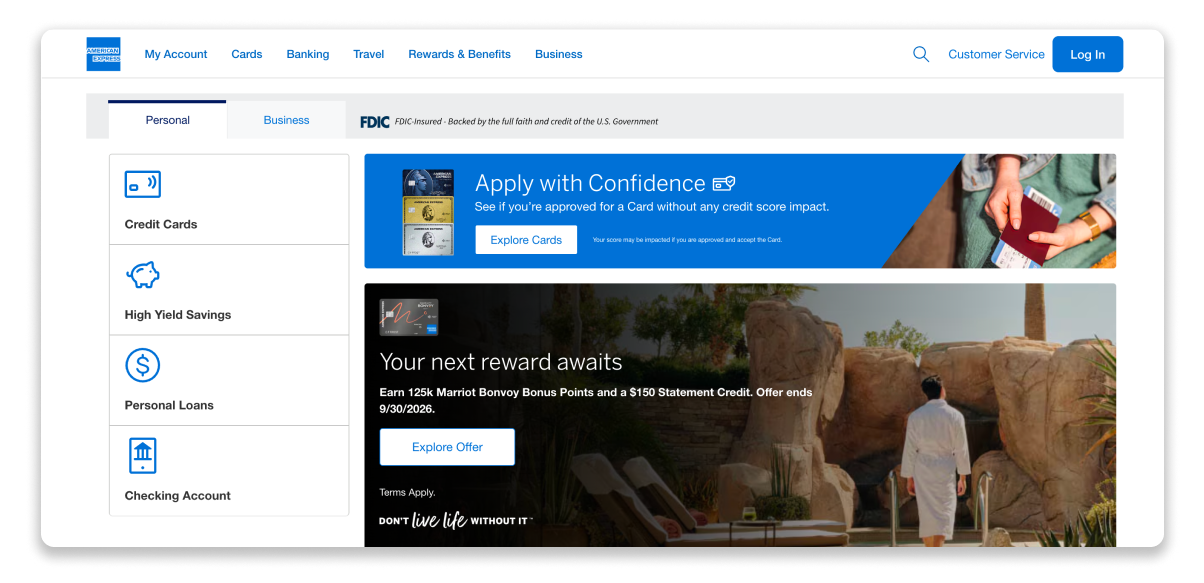
American Express didn't just prepare for BFCM weekend, it built a way to spread it out. In 2010, Amex created Small Business Saturday, a dedicated shopping day wedged between Black Friday and Cyber Monday that now moves billions of dollars toward local merchants instead of letting them get buried under everyone else's biggest sale. On top of that, cardmembers get personalized, 24/7 support and dedicated representatives for high-value accounts, so fraud checks and billing disputes, the kind of issues that spike hardest during the year's biggest spending weekend, don't all land on the same overwhelmed shift.
Takeaway: spreading volume across more days can matter as much as adding more agents to a single one.
Florence Marine X: pairing AI speed with human judgment
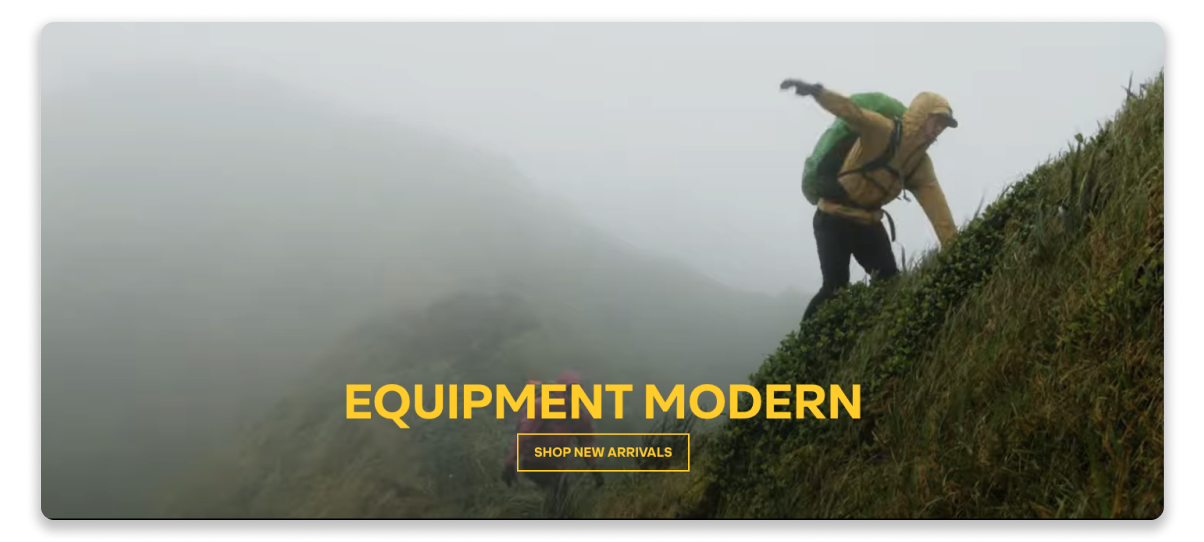
Florence Marine X, the performance surf and wetsuit brand founded by three-time World Surf League champion John Florence, gets exactly the kind of spike a seasonal drop or Black Friday launch creates: a burst of sizing questions on 4/3mm wetsuits, made-to-order lead times, and Florence Membership pricing, all at once.
Since 2021, the brand has run its support with Influx on a hybrid AI + human model: an AI agent, continuously tuned by a dedicated AI Agent Manager, answers the high-volume, well-defined questions like order status, sizing and store locations, while three dedicated human agents pick up everything that needs judgment, made-to-order edge cases, escalations, partnership inquiries. Both sides work off the same 40-plus-page brand knowledge base, so customers get a consistent answer no matter who, or what, replies.
The result is a chat first response averaging 19 seconds against a 2-minute KPI, email under 2 hours, inbox zero at the end of every shift, and 91% CSAT, holding through new collection launches without throwing more headcount at every spike.
Takeaway: AI doesn't need to replace your team during a surge, it needs to sit in front of it, answering what it can with confidence so your humans have room for what actually needs them.
Meshki: a follow-the-sun team built for exactly this

Meshki started as an Instagram-first label out of Sydney and now ships to more than 190 countries. By 2022, its founders knew a standard call center wasn't going to protect a brand built on personal, on-voice service, so Meshki partnered with Influx to run tier 1 support as an ethical, follow-the-sun extension of its own team.
Agents work standard daytime hours in their own regions rather than punishing overnight shifts, so coverage stretches across time zones without burning anyone out. Influx now handles about 85% of Meshki's 20,000 to 30,000 monthly tickets across voice, email and chat, holding a 95% CSAT on chat and 92% on email, both well past Meshki's 90% target, with a 50-second average live chat response time even during its busiest stretches.
Takeaway: a well-run follow-the-sun team can absorb the bulk of Black Friday's ticket load without the brand's own team ever losing the thread on the complex cases that actually need them.
What these brands have in common
None of these six are winning BFCM weekend by out-hiring it. They're deflecting volume before it becomes a ticket, through self-service, sizing content, or order tracking that answers the question before a customer has to ask it.
They're using flexible staffing, whether that's near-shore follow-the-sun coverage or a seasonal model, so the team can scale up for the surge and back down afterward. They've pre-decided their policies on returns, refunds and exceptions so agents can resolve things on first contact instead of escalating.
And more than one of them is quietly spreading demand across more days instead of treating Black Friday as a single 24-hour event.
The common denominator: none of them are solving this year's surge from scratch. They planned for it in advance.
How Influx helps brands handle Black Friday-Cyber Monday support surges
Influx builds and manages support teams for eCommerce and DTC brands that need to flex hard for a few weeks without carrying a full internal team into January. Coverage scales up ahead of BFCM and back down after, on month-to-month pricing with no lock-in contract, so there's no oversized team to justify once the surge passes.
Agents are trained on your brand voice and your return, refund and exception policies before the rush hits, not during it, and follow-the-sun scheduling, the same model that's helped Meshki hold a 95% CSAT through its busiest months, means coverage stretches across time zones without anyone working an unsustainable overnight shift.
Whether it's eCommerce support, email and chat, or voice, you set the standards and Influx builds the team around them. You focus on the sale. Influx handles what happens after the customer clicks buy.
Frequently Asked Questions
It varies by brand and channel, but spikes of double or more are common. Klaviyo's own 2025 data showed its AI support agent handling twice its normal weekly conversation volume on BFCM alone.
Mostly order-status questions ("where is my order") and returns. Sizing and fit issues add another layer for fashion brands specifically, which is why deflecting those questions upfront, through better product content or clearer tracking, pays off more than it seems like it should.
Hiring and training seasonal staff for a few weeks is expensive and slow to ramp. A managed or outsourced team that already knows how to onboard fast can flex up for the surge and down afterward without the brand carrying that headcount into the new year.
Longer than four days. Deal-hunting now starts creeping in weeks before Black Friday itself, and returns and shipping questions run well into January, making it closer to a six-to-eight-week operational stretch than a single weekend.
Get started with Influx
Influx was established in 2013 & has been trusted by 750+ brands globally, ranging from startup to scale.
Influx builds 24/7, near-shore global customer support teams. We provide fully managed, flexible & high-performance agents. Our services range from eCommerce support, tech support, sales support, AI Management, Enterprise solutions and more to give you the customer assistance you need to prioritize other responsibilities and continue scaling your business.
Make your support operations fast, flexible, and ready for anything with experienced, 24/7 support teams working on demand. See how brands work with Influx to deliver exceptional customer support or get a quote now.

Read these next
See how companies work with Influx to deliver flexibility and scale.
Or read our client testimonials or case studies
 6 Circle - small.png)